A Realistic Look at Electric and Autonomous Trucking Adoption Across U.S. Fleets
There’s a version of the future where every truck is electric, driving itself, and silently gliding across the country.
That version makes great headlines.
But what’s actually happening on the road right now?
The State of the U.S. Trucking Industry
The U.S. freight system is massive, and it does not change quickly.
According to the American Trucking Associations:
-
Trucks move over 72% of U.S. freight tonnage
-
That’s more than 11 billion tons annually
- The industry generates over $900 billion in revenue
This is not a system that transforms overnight. It evolves gradually and strategically.
Electric Semi Trucks in the U.S. Market
Electric trucks are here, but they are not taking over long-haul routes just yet. However, there are some leaders in electric truck development.
Major players include:
-
Tesla (Semi)
-
Volvo Trucks
-
Daimler Truck
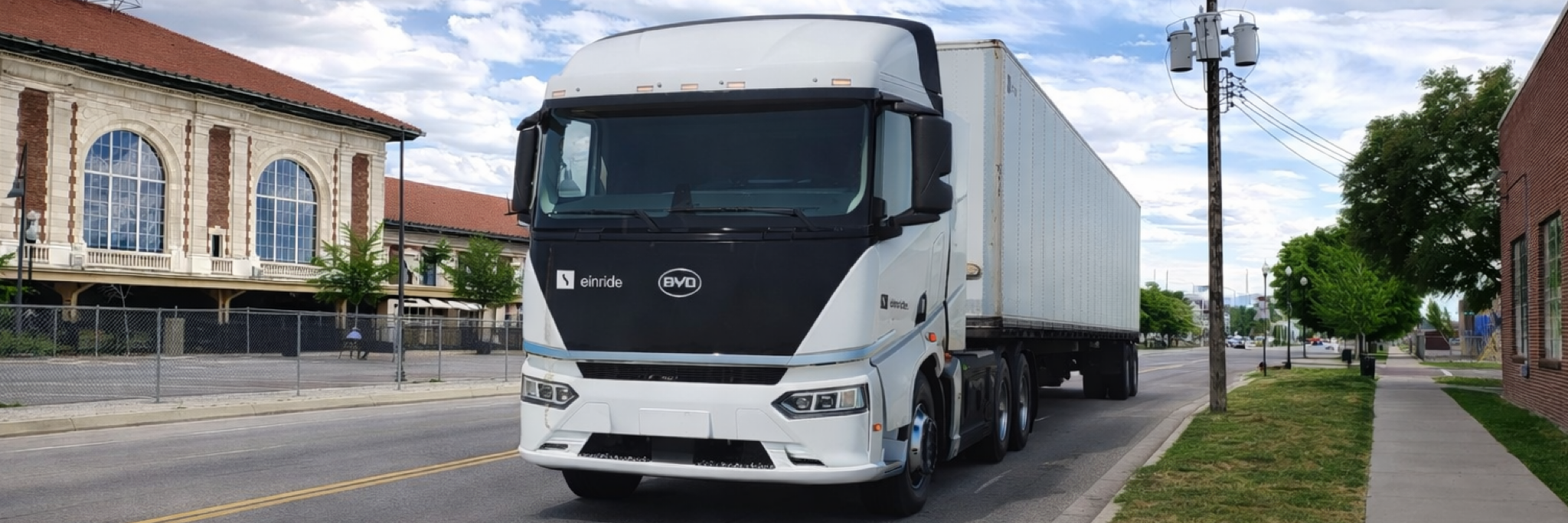
- BYD
Tesla may capture headlines, but BYD brings global scale.
BYD has deployed electric commercial vehicles worldwide, including trucks, buses, and port equipment. In the U.S., deployments are primarily focused on:
-
Drayage fleets
-
California-based electrification programs
-
Short-haul logistics
Electric trucks are also appearing in markets like Salt Lake City, showing that adoption is expanding beyond coastal hubs.
Where Electric Trucks Work Best (Right Now)
Electric semis are currently most effective in:
-
Regional and short-haul routes
- Port and drayage operations
-
Predictable return-to-base logistics
The reason is simple: range, charging time, and infrastructure still matter.
Electric Truck Range vs. Diesel Reality
Typical electric semi range:
-
150–500 miles per charge
Diesel comparison:
-
1,000+ miles per tank
- Refueling takes minutes instead of hours
That gap remains significant, especially for long-haul operations.
Charging Infrastructure Challenges
According to the U.S. Department of Energy:
-
The U.S. has more than 160,000 public charging ports
-
Very few are designed for heavy-duty trucks
This is the bottleneck. Electric adoption will follow infrastructure, not lead it.
Autonomous Trucks in the U.S.
Autonomous trucking may feel futuristic, but it is already happening in controlled environments. More than 55% of logistics companies have explored autonomous options for the future.
Where Autonomous Trucks Are Operating Today
Companies like:
-
Aurora Innovation
-
Are running freight routes in:
-
Texas
-
Arizona
- Southwestern U.S. corridors
These regions are ideal due to long highway stretches, predictable conditions, and fewer urban variables.
Why Autonomous Trucks Aren’t Everywhere Yet
Autonomous systems perform best on highways. The challenge lies in everything else:
-
City driving
- Loading docks
-
Unpredictable environments
According to the National Highway Traffic Safety Administration, safety validation and regulation are still evolving. A nationwide rollout will require additional testing and approval.
Will Autonomous Trucks Replace Drivers?
No.
The truth is, the driver shortage still exists. The American Trucking Associations estimates:
-
A shortage of over 80,000 drivers today
-
Up to 160,000 by 2030
Autonomous technology is more likely to:
-
Support long-haul efficiency
- Reduce fatigue
-
Improve safety
It is not expected to replace drivers entirely.
What This Means for Fleets Today
1. Diesel Still Dominates Long-Haul
Electric trucks are growing, but diesel remains the backbone of interstate freight. For the foreseeable future, fleets will operate a mix of diesel and electric vehicles.
2. Connectivity Is Becoming Mission-Critical
Electric trucks, autonomous systems, and modern fleet operations all depend on:
-
Connectivity
-
Uptime
-
Data
Drivers also need:
-
Reliable internet
- Entertainment
-
A connection to home
3. The Cab Experience Still Drives Retention
Even with advancing technology, drivers still live in the cab. If the experience does not improve, retention does not improve.
The Real Future of Trucking
It is not:
-
All electric
-
All autonomous
- All at once
It is layered:
-
Diesel and electric
-
Drivers and automation
-
Hardware and experience
No Matter What Changes
The future of trucking is not just about what powers the truck. It is about what powers the driver experience. Because no matter how advanced the technology becomes, a human behind the wheel remains essential.
Want to see how fleets are improving the in-cab experience today?
Explore how EpicVue helps drivers stay connected, entertained, and supported—wherever the road goes.
Entertainment Everywhere.
#TruckYeah